Services
Project management
Keep complex projects moving forward
Technical projects often involve many disciplines, systems and stakeholders. Requirements evolve, dependencies emerge and decisions made early can have lasting consequences for delivery, operations and investment.
Init provides project management services for projects where technology and operations need to work together – from automation and system integration to OT/IT environments. We create the structure, coordination and technical understanding needed to take projects safely from scope to commissioning and handover.
Whether you need technical project management, automation project management or support across an OT/IT project, we help create clarity around what needs to be delivered, who is responsible and what it takes to get there.
When project management
becomes critical.
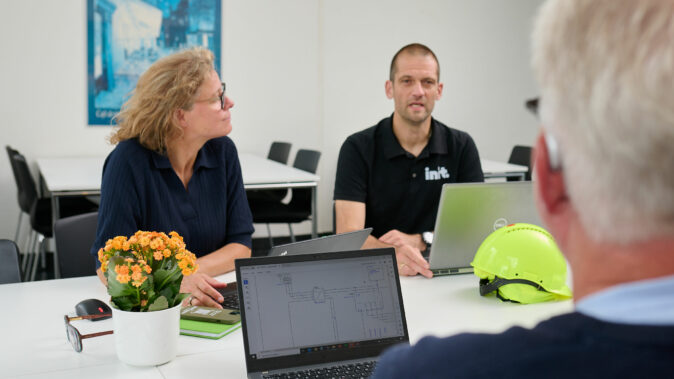
You may benefit from dedicated project management when:
- A project spans automation, controls, software, OT and IT systems.
- Multiple suppliers, internal teams and operational stakeholders need to be coordinated.
- Scope, requirements or interfaces are not fully defined.
- Time, budget, risk and quality need closer control.
- A solution must be tested and commissioned without unnecessary disruption to operations.
- Knowledge and documentation must be transferred properly to the people who will operate and support the solution.
These are not simply administration challenges. They require project leadership that understands the technical reality behind the plan.

Less uncertainty.
More predictability.
Good project management gives everyone a clearer basis for making decisions and moving forward.
With Init, you get a structured approach that helps to:
Create a shared direction
Clarify scope, deliverables, responsibilities, milestones and success criteria early—so teams work towards the same outcome.
Manage risk before it becomes disruption
Identify technical, commercial and operational dependencies early, then follow them actively throughout the project.
Maintain control of time and cost
Use clear planning, ongoing status reporting and realistic forecasts to make deviations visible and actionable.
Coordinate technical delivery
Connect the people and disciplines involved in design, development, testing and commissioning—so important interfaces are not lost between teams.
Support a reliable transition to operations
Ensure testing, technical documentation and handover are planned as part of the delivery—not left until the end.
A structured project model
- from scope to handover.
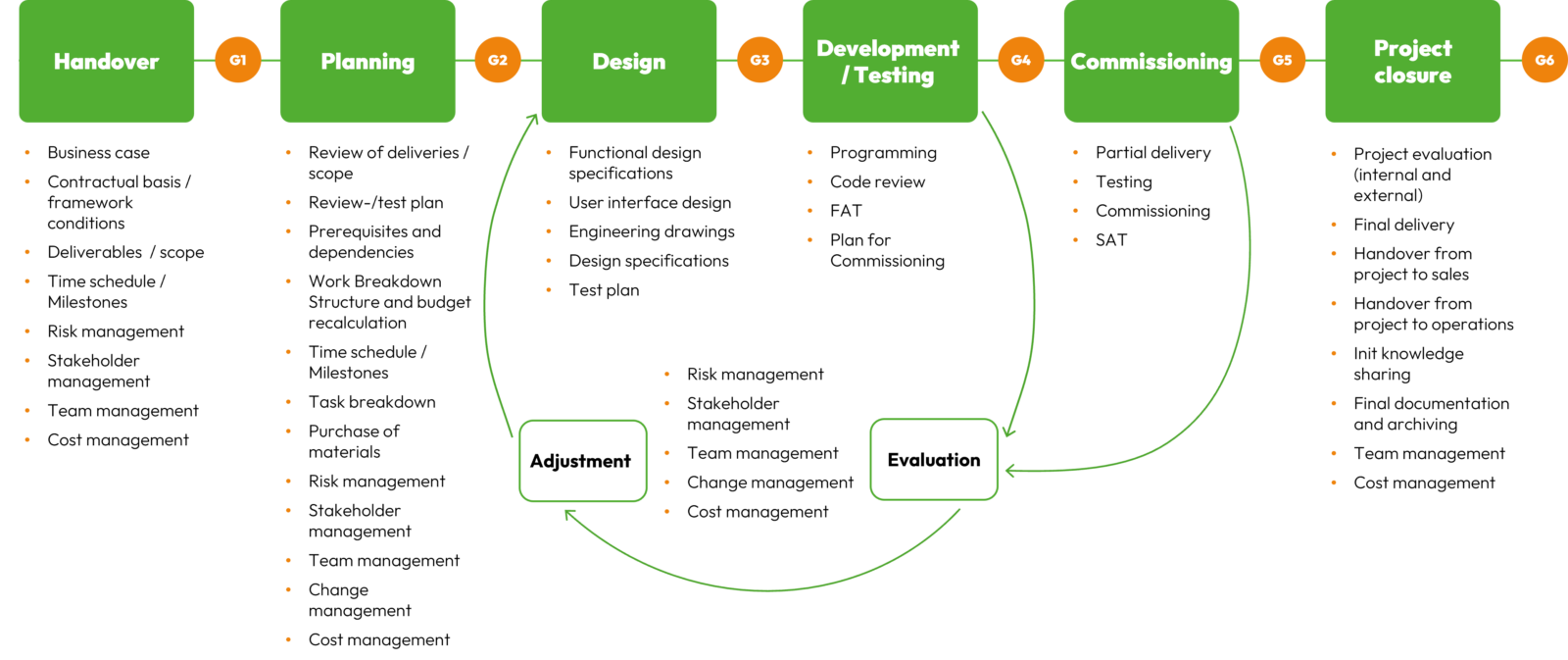
Init’s project model creates a transparent framework for projects of different sizes and levels of complexity. Each phase includes defined deliverables, documentation requirements and decision gates, helping ensure that key conditions are clarified before the project moves on.
- Define the foundation
We begin by establishing a shared understanding of the project: business objectives, scope, technical framework, requirements, milestones, budget, stakeholders and risks.
This gives the project a clearer starting point and makes assumptions, dependencies and boundaries visible from the outset.
- Hand over and mobilise the right team
Before planning begins, we ensure that the relevant information is transferred and understood by the delivery team. We clarify roles, responsibilities, ways of working and the competence needed to deliver the project.
The result is a project organisation that is ready to move forward with a common picture of the task.
- Plan in detail
We review the technical scope, break work into manageable activities and develop the plans needed for execution. This includes schedules, dependencies, test plans, resource needs, purchasing, risk management, stakeholder communication and cost follow-up.
Where requirements or circumstances change, we assess the impact on scope, time and budget—and make decisions based on a clear picture of the consequences.
- Design, develop, test and commission
During execution, we coordinate technical delivery, follow progress and manage quality, changes, risks and finances. The approach can support linear, agile or hybrid ways of working, depending on the project.
Testing and commissioning are planned as structured activities. This can include internal testing, factory acceptance testing, site testing and final acceptance—helping ensure the solution performs as intended before it enters live operation.
- Close the project and prepare operations
A project is not complete simply because the solution has been commissioned. We support a structured transition to operations, including relevant documentation, technical handover and follow-up planning.
We also capture learning that can strengthen future projects, solutions and ways of working.
Technical project management
that connects disciplines.
In complex projects, progress depends on more than a schedule. It depends on understanding how the technical solution, the project organisation and the operational environment affect one another.
Init combines project management with practical technical expertise.
This connected approach enables us to manage both the overall project and the details that influence delivery. We stay close to the reality behind the project – not just the plan.
Our project managers work closely with specialists in areas such as:

Project management for
automation & OT/IT environments.
Automation project management requires an understanding of both the project process and the live environment where the solution will operate. Changes to controls, equipment, data flows or interfaces may affect production, safety, quality and availability.
In OT/IT project management, the challenge is often to connect technologies, teams and responsibilities that have traditionally been managed separately. Init helps create a practical framework for this collaboration—coordinating technical dependencies while keeping operational requirements in view.
Our role can range from leading the full project to supporting selected phases, such as planning, technical coordination, risk management, test management, commissioning or handover.


Related
Manufacturing
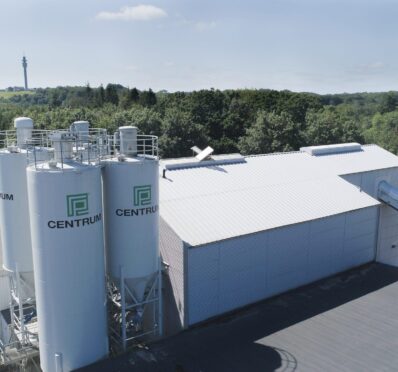
Centrum Pæle
Init headed the extensive upgrade of the control system at Centrum Pæle's automated production facilities, resulting in reduced downtime and futureproof control setup. Read more

Utility
Hafslund Oslo Celsio
Init significantly enhanced the functionality and reliability of Hafslund's SCADA systems which now effectively meets current operational requirements and is primed for future challenges. Read more
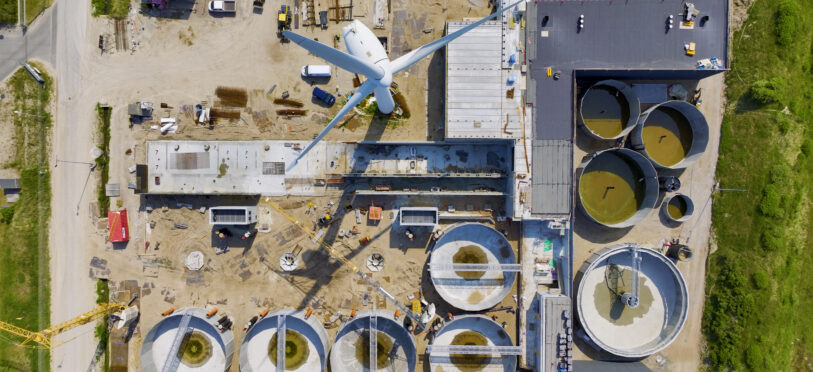

Aqua & Agriculture
Skagen Salmon
Init delivered an automated fish feed system, SCADA system and cloud solution for Skagen Salmon’s new fish farming facility. Read more
FAQ.
What is technical project management?
Technical project management combines the discipline of planning, coordination and delivery control with an understanding of the technology being implemented. It is especially valuable when a project includes complex systems, multiple suppliers, technical interfaces or commissioning in an operational environment.
When do we need project management services?
Project management services are relevant when your project needs a clear structure for scope, milestones, risks, stakeholders, cost and quality. This is often the case in automation, integration and OT/IT projects, where technical and operational dependencies must be managed together.
Can Init manage only part of a project?
Yes. Init can support the full project lifecycle or contribute where the need is greatest, for example during planning, technical coordination, risk and change management, testing, commissioning or handover to operations.
How do you manage changes during a project?
Changes should be made visible and assessed before they are implemented. Init documents changes to scope, requirements and schedules, evaluates their impact and helps create a clear basis for decisions on time, cost, risk and delivery.
How do you reduce risk in an automation project?
Risk management begins with identifying technical, operational and delivery risks early. Throughout the project, risks should be reviewed, updated and connected to practical mitigation actions. Structured testing, commissioning planning and clear stakeholder communication are also essential to reducing risk.
What is the difference between IT and OT project management?
IT projects typically focus on information systems, software, data and digital infrastructure. OT projects focus on technology that monitors or controls physical processes, equipment and operations. OT/IT project management is about coordinating the interfaces between these environments while considering both technical performance and operational continuity.
Reach out
for more information


Copyright © 2026. All rights reserved. Legal information Data ethics policy Privacy Policy Sustainability Policy Whistleblower Policy

